
Representation Through Contested and Uncontested Dissolution
Divorce in Schenectady for individuals navigating property division, custody arrangements, and spousal support determinations
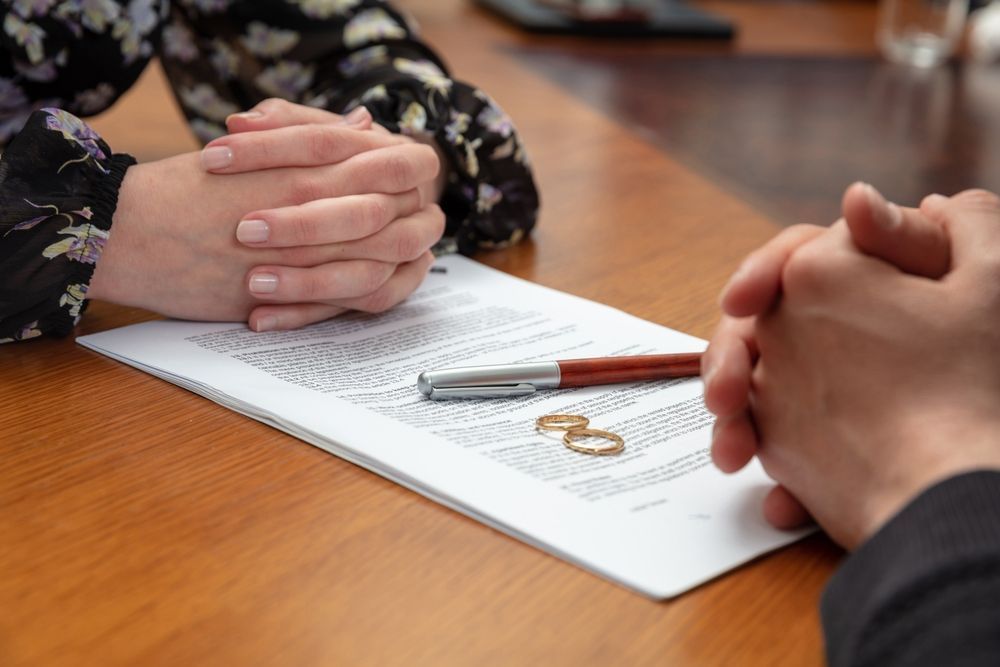
Uncontested divorce cases where both parties agree on terms still require court filings that meet procedural standards, while contested matters involve discovery, motion practice, and potential trial preparation. Representation from The CSG Law Firm, PLLC addresses divorce proceedings in Schenectady that range from negotiated settlements to full courtroom litigation, with focus on protecting clients' financial interests and parental rights throughout the process. The firm handles both straightforward dissolutions and complex cases involving business valuations, retirement account division, or disputed custody terms.
Divorce proceedings resolve multiple legal issues simultaneously: equitable distribution of marital property, determination of child or spousal support obligations, establishment of custody and parenting time schedules, and allocation of marital debts. Each component follows specific New York statutes and case law that define how courts classify property as marital or separate, calculate support using statutory formulas, and evaluate custody based on children's best interests.
Request a confidential consultation to assess your divorce situation and review the legal steps required to protect your interests.
What Proper Divorce Representation Requires
Representation begins with financial disclosure—both parties must provide complete documentation of income, assets, debts, and expenses to establish the foundation for property division and support calculations. The attorney then analyzes these financial records, identifies marital property subject to division, evaluates potential support obligations under New York guidelines, and develops negotiation positions or litigation strategies based on case-specific facts. In contested matters, this includes filing motions for temporary support or custody orders, conducting depositions, and subpoenaing third-party financial records when necessary.
When the divorce concludes, you receive a Judgment of Divorce that legally terminates the marriage and incorporates settlement terms or trial decisions on all disputed issues. This judgment specifies property distribution, support payment amounts and duration, custody arrangements, and enforcement mechanisms, creating court-ordered obligations that replace the marital relationship's legal structure.
Cases involving business ownership require business valuation experts to determine marital interest subject to division, while retirement account division demands Qualified Domestic Relations Orders that direct plan administrators to transfer funds without tax penalties. The procedural steps and timeline extend when these complex assets require expert testimony or specialized court orders beyond standard dissolution documentation.
Questions Property Owners Face During Divorce
Divorce involves both immediate procedural concerns and long-term financial implications that clients need clarified before proceeding.
How does New York divide property in divorce?
New York follows equitable distribution, meaning courts divide marital property fairly based on factors including marriage length, income disparity, and each spouse's contributions, rather than automatically splitting assets fifty-fifty.
What's the difference between contested and uncontested divorce?
Uncontested divorce occurs when both parties agree on all terms before filing, requiring only court approval of the settlement agreement, while contested divorce involves court intervention to resolve disputes through motion practice or trial.
When can I modify support or custody orders after divorce?
New York permits modification when substantial circumstances change, such as significant income changes affecting support calculations or custody arrangements that no longer serve children's best interests—the moving party must prove the changed circumstances justify modification.
What happens to retirement accounts during property division?
Retirement accounts accumulated during marriage are marital property subject to division, with distribution accomplished through Qualified Domestic Relations Orders that direct plan administrators to transfer specified percentages to the non-employee spouse without triggering early withdrawal penalties.
How long does divorce take in Schenectady?
Timeline depends on whether the case is contested, with uncontested matters often finalizing within several months once paperwork is filed, while contested divorce involving discovery, motions, and potential trial extends the process to a year or longer depending on court scheduling and case complexity.
The CSG Law Firm, PLLC represents clients through every stage of divorce with negotiation skills directed toward efficient resolution and courtroom preparation when settlement proves impossible. Schedule a consultation to discuss how New York divorce law applies to your specific financial and family circumstances.